
STEP BY STEP: Why Good Design Starts Long Before You Choose Colours and Furniture
Step by Step is the blog of Kate Kerin Interiors. In addition to following some of my clients’ projects, I examine some of the latest issues of interest in the world of interior design.
First up this month, I’m delighted to share a recently completed project: Melissa and Grant’s beautiful Birchgrove home.
Melissa first contacted me in August 2025, booking a two-hour consultation to discuss her ideas for updating several spaces throughout the house. Their long, narrow terrace had wonderful bones and enormous character, but some areas were underutilised and ready for a fresh perspective. From our very first meeting, it was clear that Melissa had a strong sense of style. The home was filled with colourful artwork, treasured objects and plenty of personality. She wasn’t afraid of colour, appreciated good design and was open to exploring new ideas. We clicked immediately and soon afterwards she engaged Kate Kerin Interiors to help bring her vision to life.
Over the following nine months, we transformed several key areas of the home. The project included sanding and refinishing timber floors, installing custom live-edge mantelpieces to two working fireplaces, painting, carpeting, wallpapering a ceiling, adding beautiful new curtains and sourcing furniture, lighting, rugs and accessories. An unused internal room was reimagined as a sophisticated New York-inspired music den, while a cold and underwhelming lower-ground space became a warm, inviting theatre room for family movie nights and entertaining.
As with every successful project, the result was very much a team effort. I’m incredibly grateful to the talented suppliers and trades who contributed their expertise, including Sean from BuildCrest Projects, Shari from CosmoStyle, Jenny from Mr Carpet, Shaun from Designer Rugs, Noreena from Cushions R Us, Tom and Effie from Annandale Wallpapers, along with King Living, RJ Living and my wonderful photographer Kat Hatfield, whose images capture the finished home so beautifully (and whose images are featured in this blog).
Most importantly, I want to thank Melissa and Grant. They trusted the process, embraced bold ideas and remained positive, collaborative and open-minded throughout the journey. It has been a genuine pleasure to work with them, and seeing how much they love their refreshed home makes all the effort worthwhile.
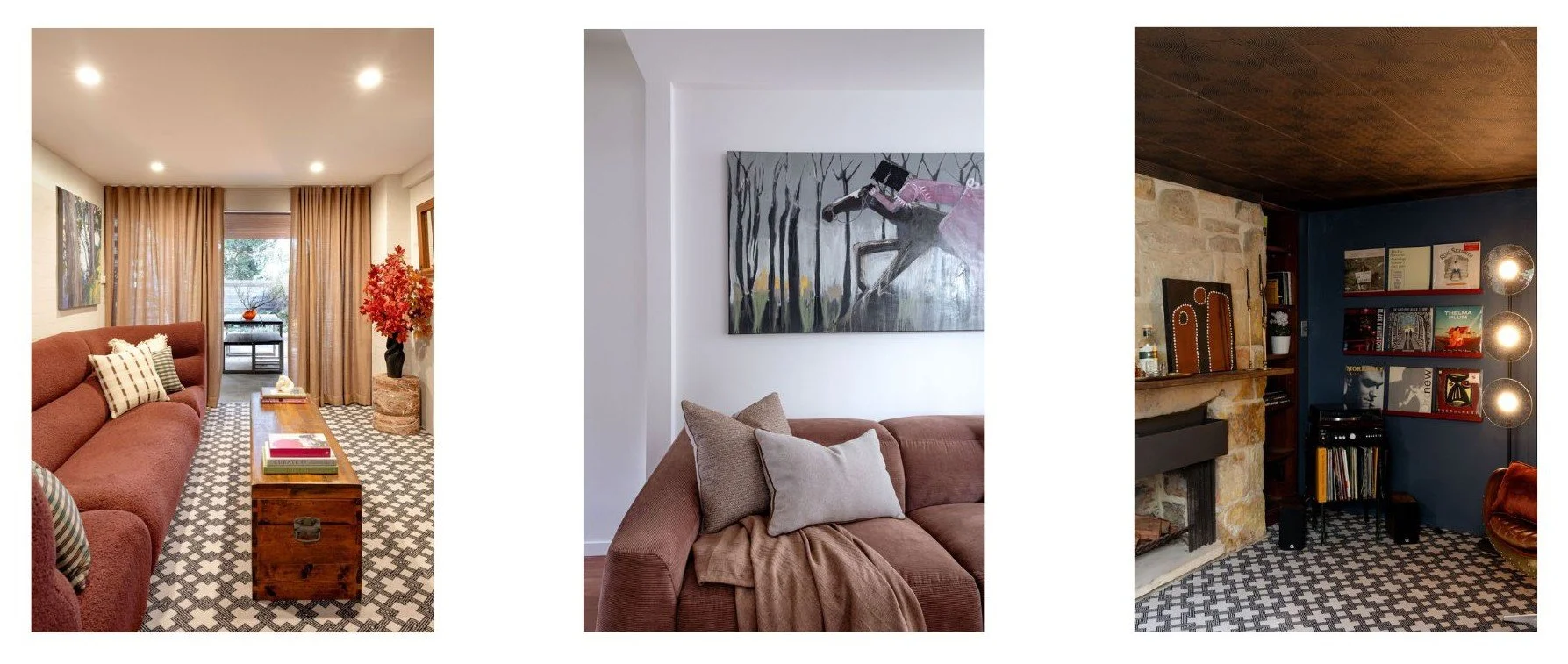
Reflecting on the project, it’s clear that one of the reasons it ran so smoothly was that we invested time in planning right from the beginning. Before a single paint colour was chosen or piece of furniture ordered, we spent time discussing how Melissa and Grant wanted to live in their home, which spaces were underperforming and what success would look like for them. That early clarity informed every decision that followed.
It also leads perfectly into this month's topic.
When people first contact an interior designer, they often expect the conversation to revolve around colours, fabrics, furniture and finishes. While those elements are certainly important, the reality is that successful design begins much earlier. The most beautiful homes are rarely the result of selecting attractive products. They are the result of thoughtful planning, clear decision-making and a deep understanding of how the people who live there want to use the space.
Whether you are renovating, building, downsizing or furnishing a new apartment, the decisions made at the beginning of a project will have a far greater impact than the cushion fabric you eventually choose. In many ways, the decorative layer is the reward for doing the strategic thinking first.
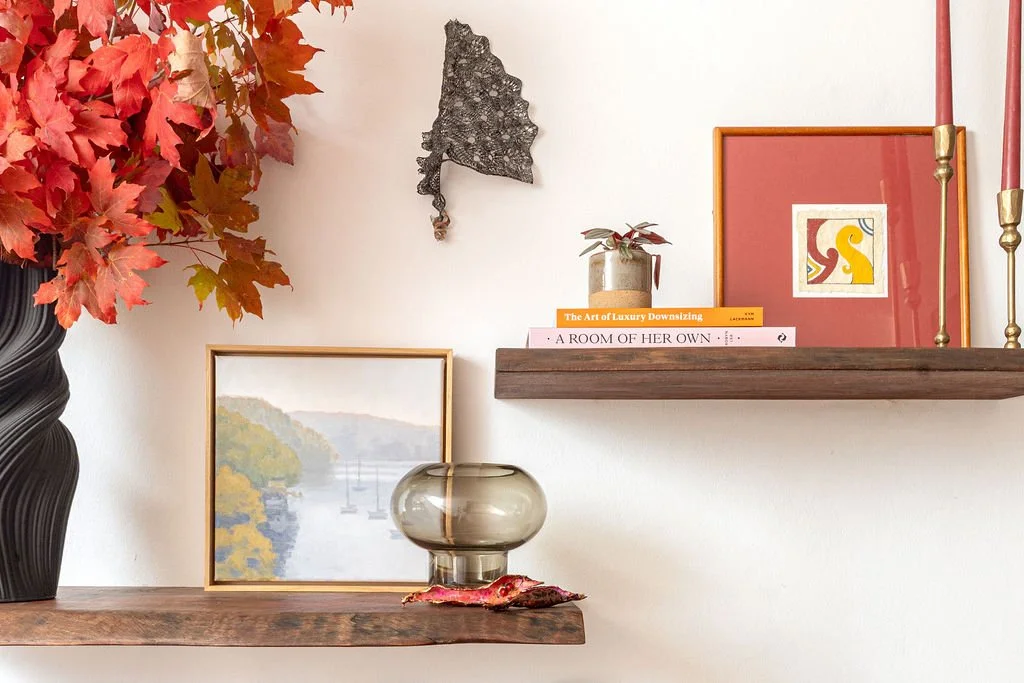
Understanding How You Really Live
One of the first things I ask clients is how they actually live in their home. Not how they wish they lived, but how they genuinely use their spaces every day. Do they entertain regularly? Work from home? Host visiting family? Need a quiet retreat? Have children, teens or grandchildren who visit often? Are there any accessability requirements?
These conversations are incredibly important because they shape every decision that follows. A home should support your lifestyle, not force you to adapt to it. There is little point creating a formal dining room if you always gather around the kitchen island, or investing in a dedicated study if you prefer to work from the dining table.
The best design solutions come from understanding daily habits, routines and priorities. When those foundations are clear, the finished home feels effortless and intuitive.
Futureproofing for the Next Chapter
Many of my clients are planning not just for today, but for the next ten or twenty years. This is particularly true for downsizers who are making a significant lifestyle transition.
Futureproofing does not mean turning your home into a medical facility or making it look institutional. It simply means making thoughtful decisions that support comfort and ease over time. Wider walkways, level access, excellent lighting, sensible storage and bathrooms that can adapt if required are all examples of good planning.
Even younger clients benefit from thinking ahead. Most people renovate only a handful of times during their lives. Making sensible decisions now can save considerable expense and disruption later.
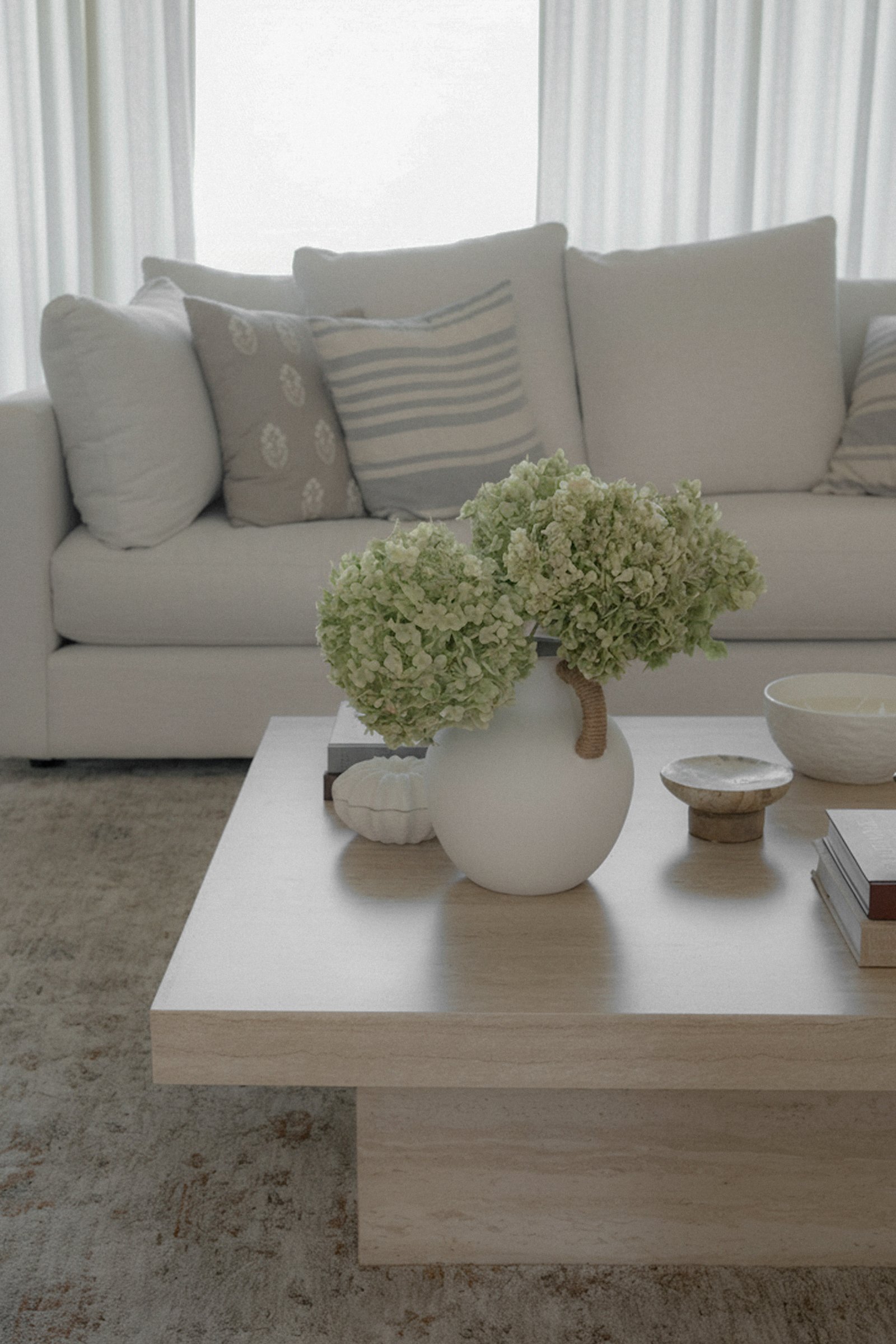
Getting the Layout Right
If there is one area where I encourage clients to invest time and energy, it is layout planning. A beautiful kitchen with a poor layout will never function well. An expensive sofa placed in the wrong room will never feel comfortable. No amount of styling can compensate for a floor plan that doesn't work.
This is why I spend so much time working on spatial planning and joinery design. Before we start discussing tapware finishes or paint colours, I want to know where furniture will sit, how people will move through the home and whether the spaces support the way the household operates.
The layout is the skeleton of the project. Once it is correct, everything else becomes easier.
Why Storage Matters More Than Most People Realise
Storage is rarely the most glamorous part of a design project, yet it is often the feature that has the greatest impact on day-to-day living.
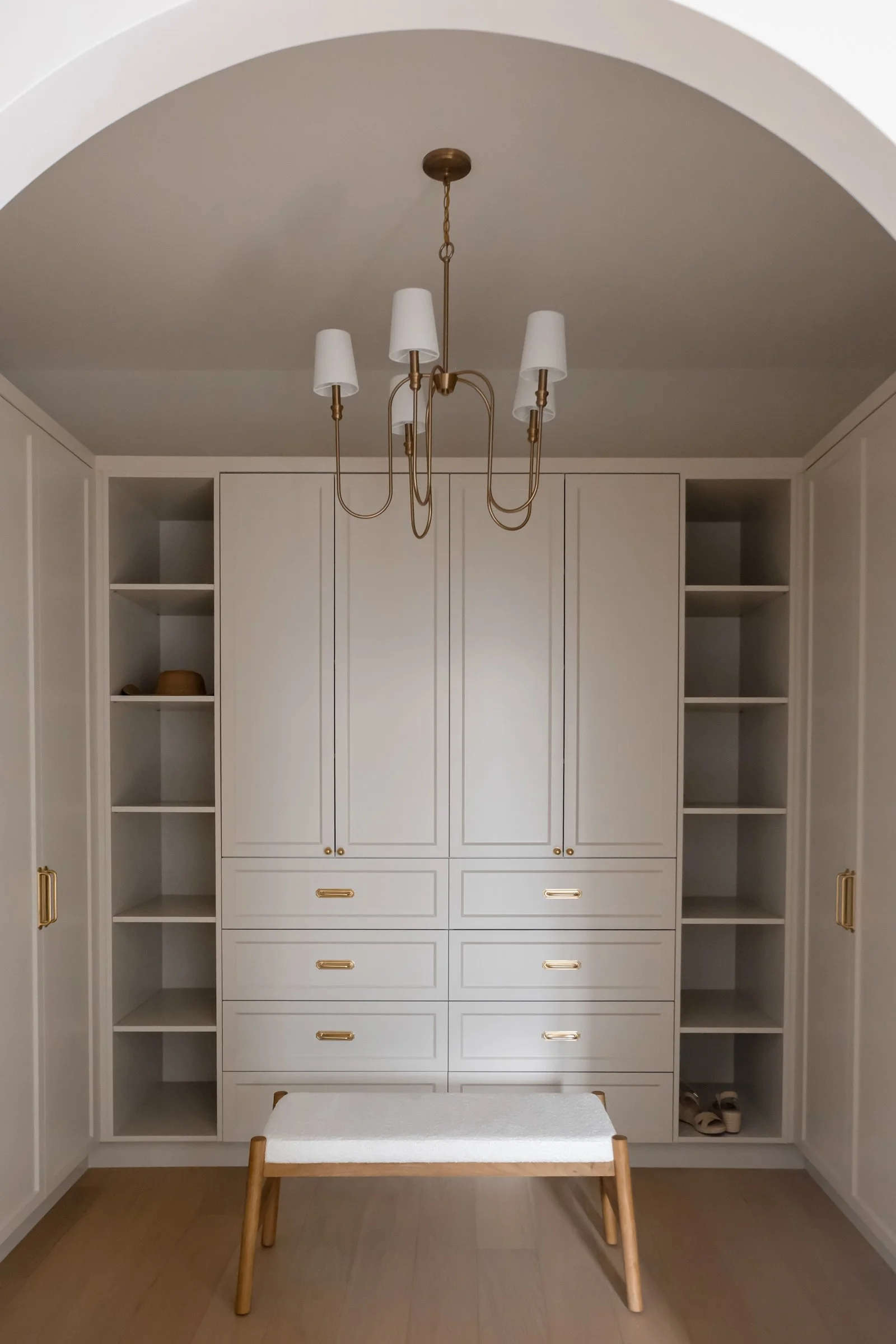
In smaller homes and apartments particularly, every centimetre matters. Clever joinery can transform awkward corners, unused walls and underutilised spaces into practical storage that reduces clutter and improves functionality.
Good storage also contributes to a calmer and more beautiful home. When everything has a place, rooms feel larger, tidier and more enjoyable to spend time in. Many clients tell me their custom storage solutions become their favourite feature of the entire project because they improve daily life in ways they never expected.
Why Engage a Designer Before a Builder?
This is one of the strongest recommendations I make to anyone considering a renovation.
Builders are highly skilled professionals, but their expertise lies in construction. An interior designer's role is to help define the vision, establish priorities, resolve layouts and make key design decisions before construction begins.
When clients engage a designer early, they gain clarity before quotations are obtained. We can determine where the budget should be focused, identify potential challenges and ensure the design reflects the client's goals. This often leads to more accurate pricing and fewer surprises during construction.
It is much easier, and considerably less expensive, to change a line on a drawing than it is to move a wall once construction has commenced. And I always work collaboratively with any other trade or professional brought into the project, at any stage.
Avoiding Expensive Changes Later
One of the greatest benefits of thorough planning is avoiding costly mistakes.
Every project involves hundreds of decisions. When those decisions are rushed or deferred until construction is underway, changes become expensive. Electrical locations, joinery dimensions, plumbing layouts and furniture clearances all need careful consideration.
Taking the time to think through these details early creates confidence and reduces stress. Clients often tell me they appreciate having a clear roadmap because it removes uncertainty and allows them to make decisions methodically rather than reactively.
Looking Ahead to Europe
As many readers know, I will soon be travelling through Europe, including attending 3DaysofDesign in Copenhagen.
While I always enjoy seeing beautiful products and inspiring spaces, these trips also reinforce an important lesson: great design is rarely about following trends. The most memorable homes and buildings are grounded in thoughtful planning, strong functionality and a clear understanding of how people use them.
I'm looking forward to bringing home fresh ideas, but perhaps more importantly, fresh perspectives on how thoughtful design can improve everyday life.
Final Thoughts
The next time you find yourself dreaming about a renovation, new home or downsizing project, try not to start with colours and furniture.
Instead, start by asking how you want your home to function. Think about your lifestyle, your future needs, your storage requirements and how you move through your spaces each day.
Beautiful finishes certainly matter, and selecting them is one of the most enjoyable parts of any project. But the real magic happens much earlier, during the planning, thinking and decision-making stages.
Good design starts long before you choose colours and furniture. It starts with understanding how you want to live.
Kate Kerin Interiors works with discerning Sydney clients who value quality, elegance and a seamless design experience, whether you’re downsizing, furnishing a new home or planning a major change. If you’d like to discuss your project, get in touch to book an initial consultation.
If you enjoyed this blog, subscribe to my newsletter for curated interior design insights, inspiration and practical tips delivered straight to your inbox.