
STEP BY STEP: The power of good joinery
Step by Step is the blog of Kate Kerin Interiors. In addition to following some of my clients’ projects, I examine some of the latest issues of interest in the world of interior design.
When people think about interior design, they often picture sofas, artwork and beautiful fabrics. But quietly working behind the scenes in many of the most successful homes is something far less glamorous, yet infinitely powerful: good joinery.
Thoughtfully designed cabinetry has the ability to elevate a home from pleasant to exceptional. It can make a compact apartment feel spacious, a living room feel calm rather than cluttered and a kitchen feel intuitive rather than chaotic. For my downsizing clients in particular, and for busy professionals who value efficiency and elegance, bespoke joinery is often the unsung hero of the entire project.
Let’s unpack why.
What Do We Mean by Joinery?
Joinery refers to the built-in elements of a home: kitchen cabinetry, wardrobes, TV units, window seats, study nooks, shelving, laundry cupboards and even banquette seating. These pieces are designed specifically for your space and then constructed by a cabinetmaker or joiner.
Unlike freestanding furniture, joinery is tailored to the millimetre. It responds to ceiling heights, wall irregularities, storage needs and lifestyle habits. It can conceal unsightly elements, integrate lighting and create a seamless architectural feel.
In short, it is the difference between placing a bookshelf against a wall and designing a wall that becomes a bookshelf.
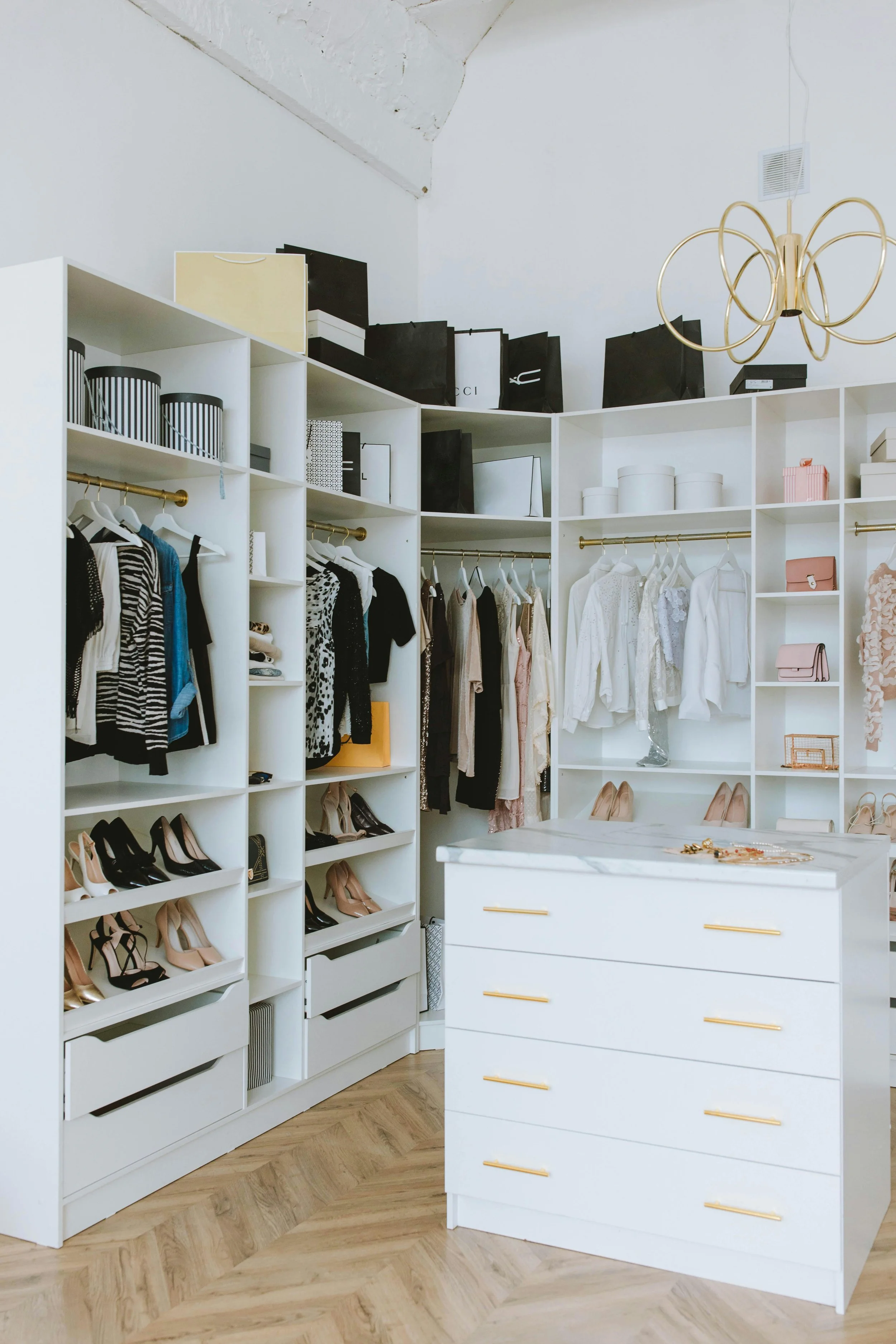
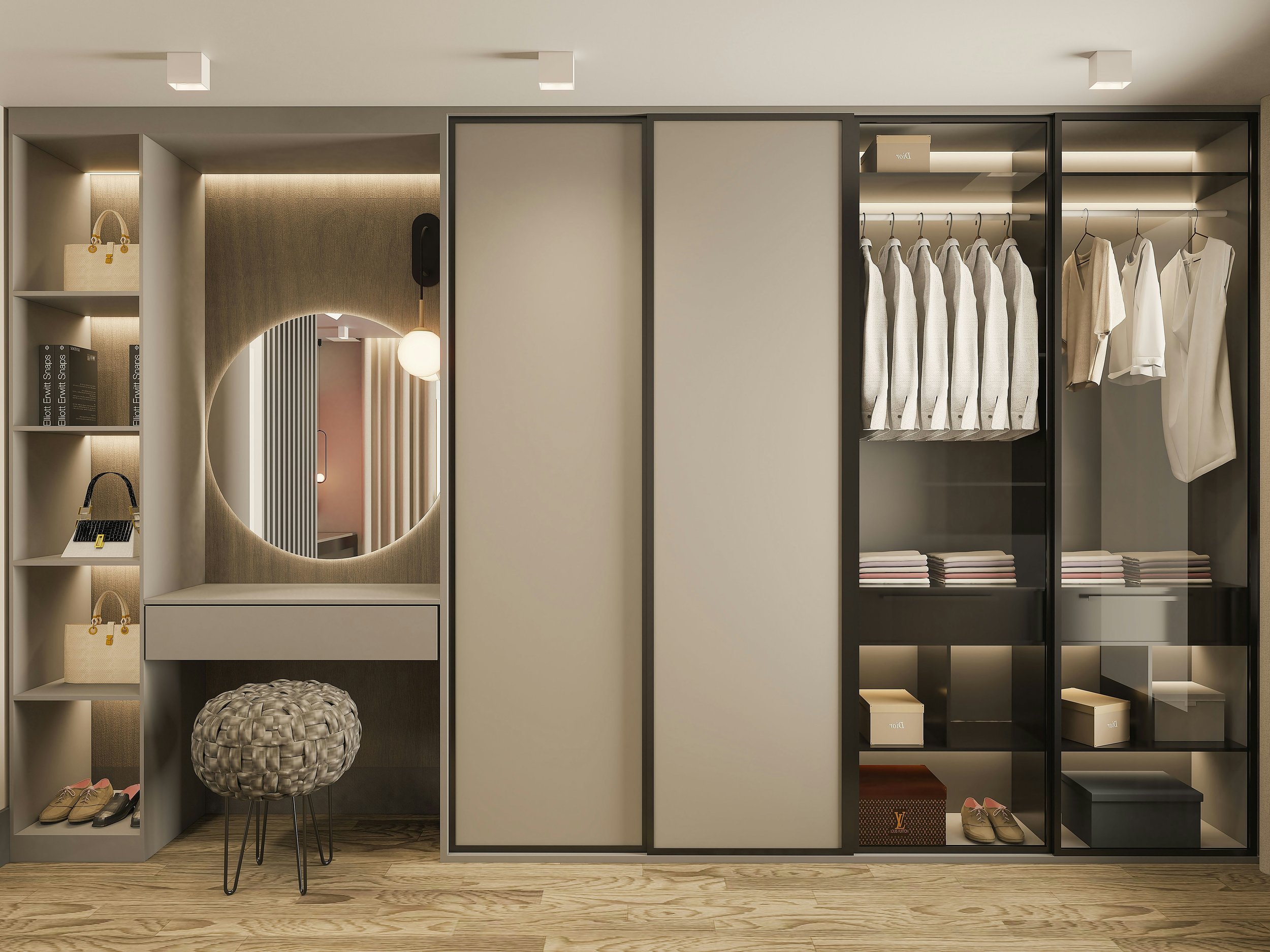
Lots of lovely storage here, but you’d need to be able to keep your clothes neat!
How Good Joinery Changes Everything
There are four key ways that well-considered joinery can transform a home.
1. It maximises space
This is especially critical in apartments and downsized homes. When you move from a large family house into a more compact footprint, every centimetre matters. Off-the-shelf solutions rarely make full use of awkward corners, high ceilings or narrow niches.
Custom joinery can incorporate vertical storage, hidden drawers, integrated desks or multi-functional cabinetry that works much harder than standard pieces ever could.
2. It reduces visual clutter
One of the biggest design challenges in modern living is managing “stuff”. Technology, paperwork, gym equipment, children’s belongings, seasonal items, the list goes on.
Beautiful joinery allows you to conceal what needs to be hidden and display what deserves to be seen. A TV unit can hide cords and streaming devices. A hallway cabinet can swallow shoes and bags. A kitchen pantry can be organised so that everything has a home.
When storage is intentional, rooms feel calmer and more refined.
3. It creates cohesion
Freestanding furniture often evolves over time. A piece from one era sits beside another from a different style. That can be charming, but it can also feel disjointed.
Built-in joinery provides architectural continuity. It anchors a space. When finishes, handles, materials and proportions are carefully considered, the home feels cohesive and deliberate rather than pieced together.
4. It adds value
Well-designed cabinetry is not simply aesthetic, it is practical. Prospective buyers respond positively to generous storage, intelligent kitchen layouts and integrated wardrobes. Even if you are not planning to sell, it is reassuring to know that your investment improves both daily living and long-term value.
The Planning Process: Where It All Begins
Good joinery does not begin in a workshop. It begins with questions.
How do you live?
What do you store?
What frustrates you about your current space?
What do you reach for every day?
For some clients, it is about creating a more efficient kitchen layout. For others, it is designing wardrobes that truly accommodate their clothing or add a touch of luxe. For apartment dwellers, it might mean integrating a study nook without sacrificing living space.
This is where thoughtful design matters. Jumping straight to selecting finishes or handles is premature. First we need to solve the spatial puzzle.
I use SketchUp to create high-level, scaled plans and elevations that demonstrate how the design works as a whole. These drawings show proportions, shelving positions, hanging spaces, appliance locations and overall layout. They provide clarity and confidence before a single board is cut.
Importantly, these are design drawings. They illustrate intent, function and aesthetics. They become the roadmap.
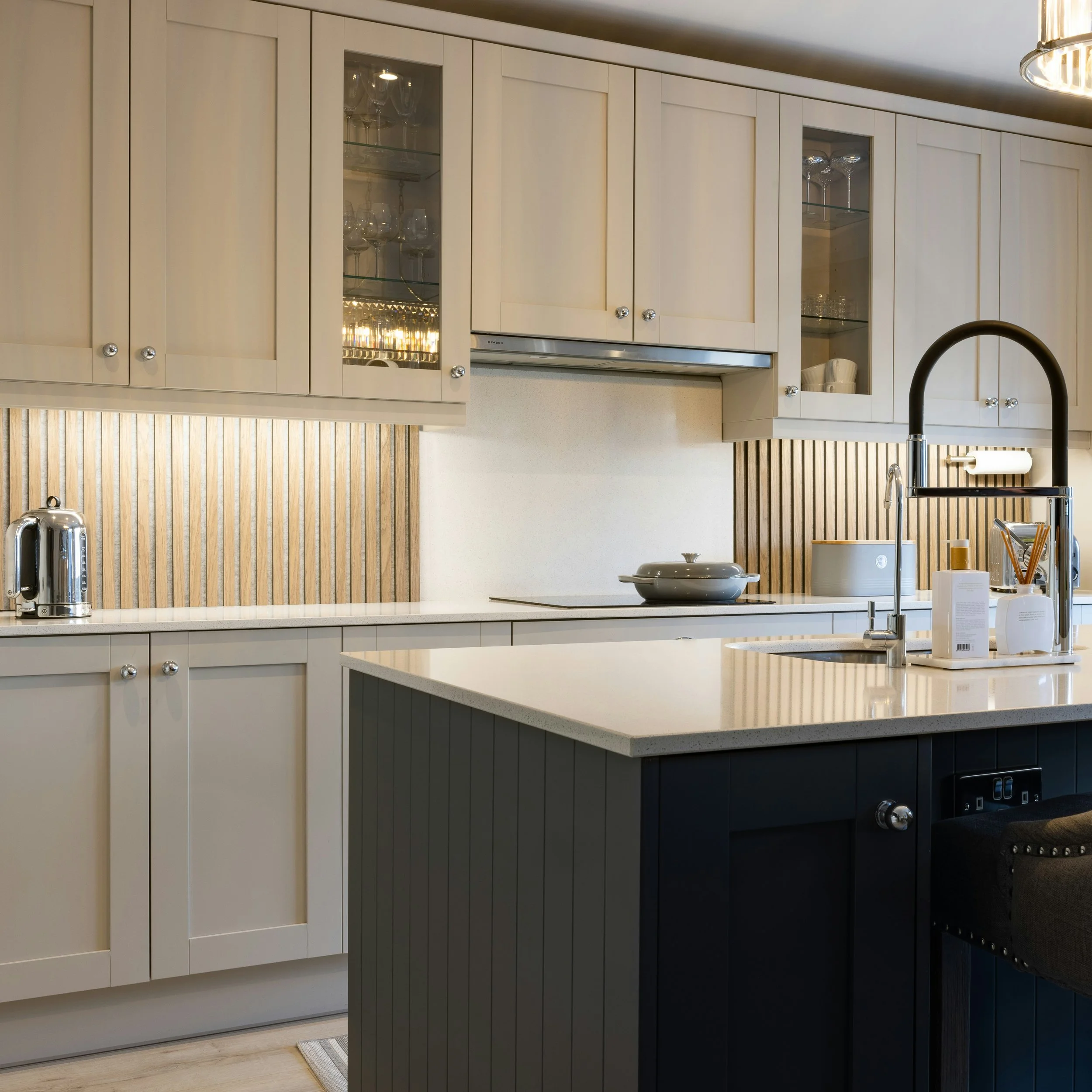
Joinery can be one of the kitchen’s most interesting features.
Design Drawings Versus Shop Drawings
There is often confusion around documentation, so it is worth clarifying.
My role is to design the joinery at a high level and ensure it integrates beautifully with the broader interior scheme. Using SketchUp, I prepare scaled plans and elevations that communicate the layout and design intent clearly to engineers, builders and joiners.
Once the design is agreed, the joiner or kitchen manufacturer produces detailed shop drawings. These are technical documents prepared to the millimetre. They include internal drawer specifications, hardware selections, fixing methods and construction details. These are the measurements and plans that lead to actually cutting the wood and manufacturing the joinery.
This division of labour is intentional and appropriate. Joiners and specialist kitchen companies bring deep technical expertise regarding materials, machinery and structural requirements. My design drawings give them a clear brief and aesthetic direction, allowing them to focus on precision fabrication.
When this collaboration works well, the result is seamless.

What Does Joinery Cost?
This is the question everyone asks, and understandably so.
Custom joinery is an investment. Costs vary depending on size, materials, internal complexity and finishes. They can also vary depending on the joiner’s experience and availability. A simple built-in wardrobe is very different from a fully integrated kitchen with stone benchtops and bespoke storage inserts. My SketchUp designs form the road-map for the joiner or kitchen company to be able to provide an accurate quote.
The key is to view joinery as long-term infrastructure rather than decorative add-on. It is comparable to flooring or bathrooms in terms of impact and longevity.
For downsizers in particular, investing in excellent joinery in a new apartment can prevent years of frustration. For time-poor professionals, intelligent storage can simplify daily routines and eliminate the mental load of disorganisation.
When thoughtfully designed, joinery pays you back in functionality every single day.
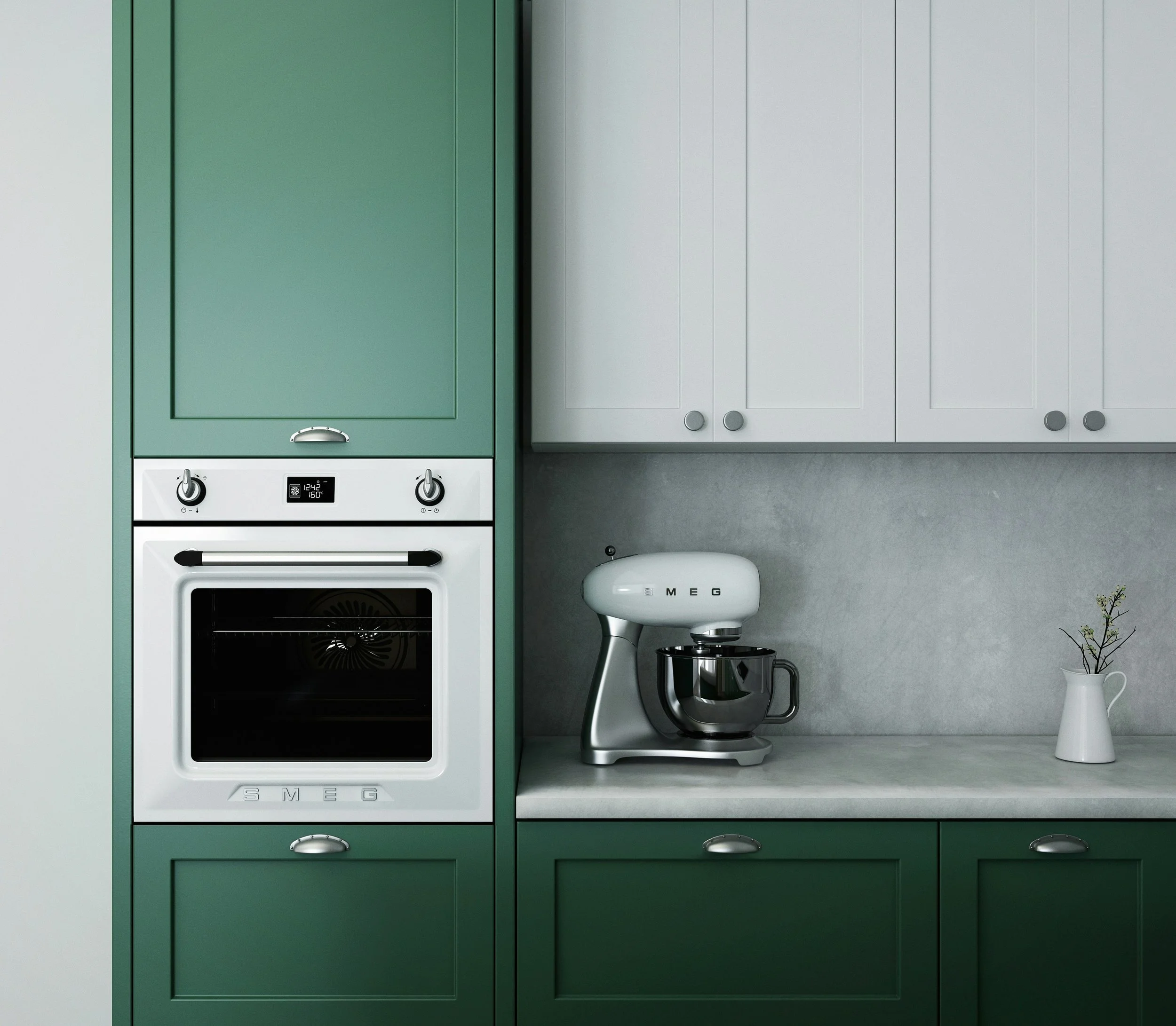
Colour is a great way to create personality in your joinery.
When Should You Bring in a Designer?
Ideally, early.
Joinery decisions influence electrical planning, lighting placement, appliance selection and even structural considerations. Engaging a designer once construction is already underway can limit options and increase costs.
Early involvement allows us to:
• Plan storage holistically rather than piecemeal
• Coordinate finishes across rooms
• Ensure lighting enhances cabinetry rather than competes with it
• Avoid costly rework
Even in smaller projects, clarity at the beginning prevents compromise later.
The Subtle Art of Restraint
Not every wall needs to be built in. Part of good design is knowing when to stop.
There is a balance between functionality and over-design. Rooms still need breathing space. Texture, art and furniture play their role. Joinery should support the architecture, not overwhelm it.
The most successful projects are those where cabinetry feels inevitable, as though it has always belonged there.
Final Thoughts
Beautiful joinery is rarely the loudest element in a home. It does not shout for attention like a bold artwork or dramatic pendant light. Yet it quietly underpins the way a space works.
It holds your belongings, frames (or hides) your television, organises your wardrobe and streamlines your kitchen. It shapes how you move through your home each day.
For clients who value quality, order and long-term thinking, it is often the single most transformative design decision they make.
If you are considering a renovation, moving into a new apartment or simply feeling frustrated by the way your home functions, I would love to help you think through the possibilities.
Through thoughtful planning and clear SketchUp drawings, we can create a roadmap that your builder and joiner can confidently bring to life.
Visit my website to book an initial consultation and let’s talk about how intelligent, beautifully designed joinery could elevate your home for years to come.
Kate Kerin Interiors works with discerning Sydney clients who value quality, elegance and a seamless design experience, whether you’re downsizing, furnishing a new home or planning a major change. If you’d like to discuss your project, get in touch to book an initial consultation.
If you enjoyed this blog, subscribe to my newsletter for curated interior design insights, inspiration and practical tips delivered straight to your inbox.