

STEP BY STEP: Why Travel is the Best Design Education
Step by Step is the blog of Kate Kerin Interiors. In addition to following some of my clients’ projects, I examine some of the latest issues of interest in the world of interior design.
I have just returned from over a month in Europe, and I am still processing it. Stockholm and Malmö, Copenhagen's 3DaysofDesign, then east through Budapest, Vienna, Linz and Passau, and finally a glorious week in Paris. The notebook is full, the camera roll is overflowing, and I keep stopping to recall a detail, a proportion, a colour I saw somewhere I cannot quite name. The feeling of being so thoroughly soaked in great design that it reshapes the way you look at things Why Travel is the Best Design Education is exactly what I want to write about this month.
Because travel does something to you that no amount of scrolling, pinning or magazine-reading can replicate. It puts you inside the thing.
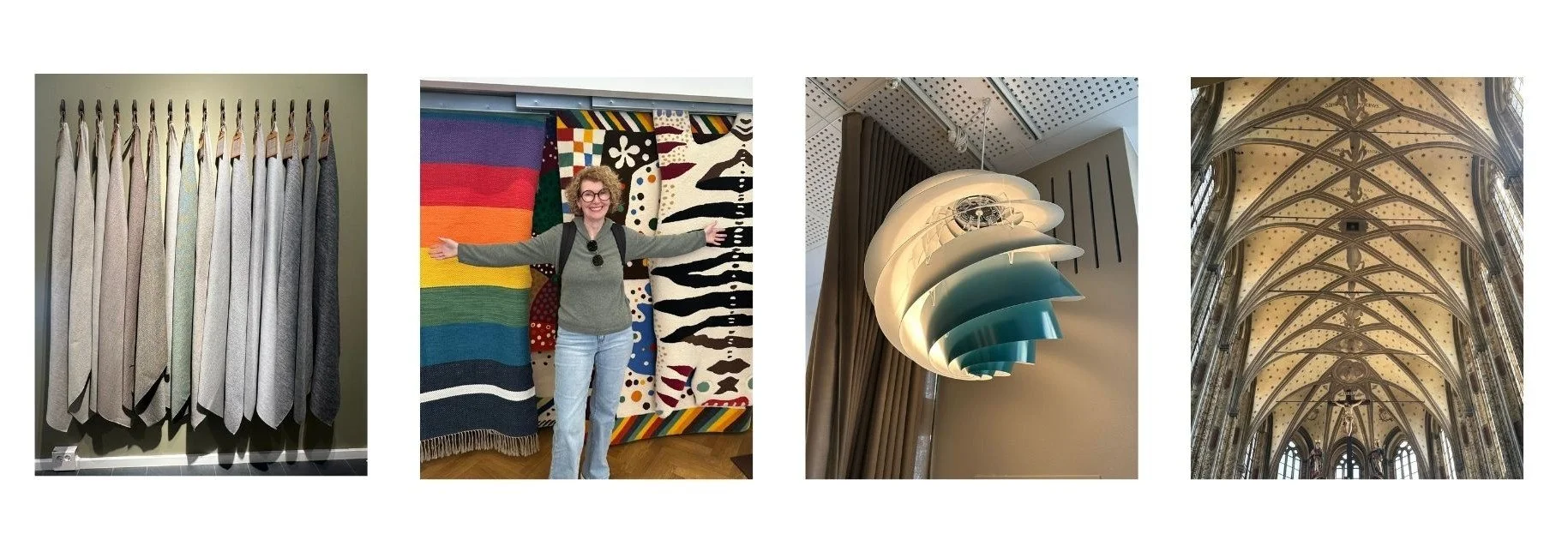
You Stop Looking and Start Seeing
There is a difference between looking at design and being surrounded by it. At home, we move through our spaces on autopilot. We stop noticing the ceiling height, the quality of the light at four in the afternoon or the way the furniture has been arranged to encourage conversation rather than simply fill a room. Familiarity is comfortable, but it can also make us blind to the detail.
Travel breaks that habit. When you are somewhere unfamiliar, every space calls for attention. You notice the proportions of a doorway, the material of a floor, the way a staircase turns. You become, without trying, more observant. And once that observational muscle is activated, it does not easily switch off. You bring it home with you.
Proportion, Materiality and the Things That Cannot Be Photographed
My first trip to Scandinavia was striking, and I immediately noticed the absolute confidence in proportion. Rooms are neither over-furnished nor stark. There is a considered relationship between space and object that photographs genuinely cannot capture. You have to be in the room.
The same was true in Vienna and Budapest, where centuries of layered architecture have produced a kind of effortless elegance. To my Australian eye, these buildings that have been loved, repaired, adapted and lived in for hundreds of years have a quality that no amount of clever styling can manufacture. There is a lesson in that for every designer and every homeowner: quality endures, and patina is not something to be feared.
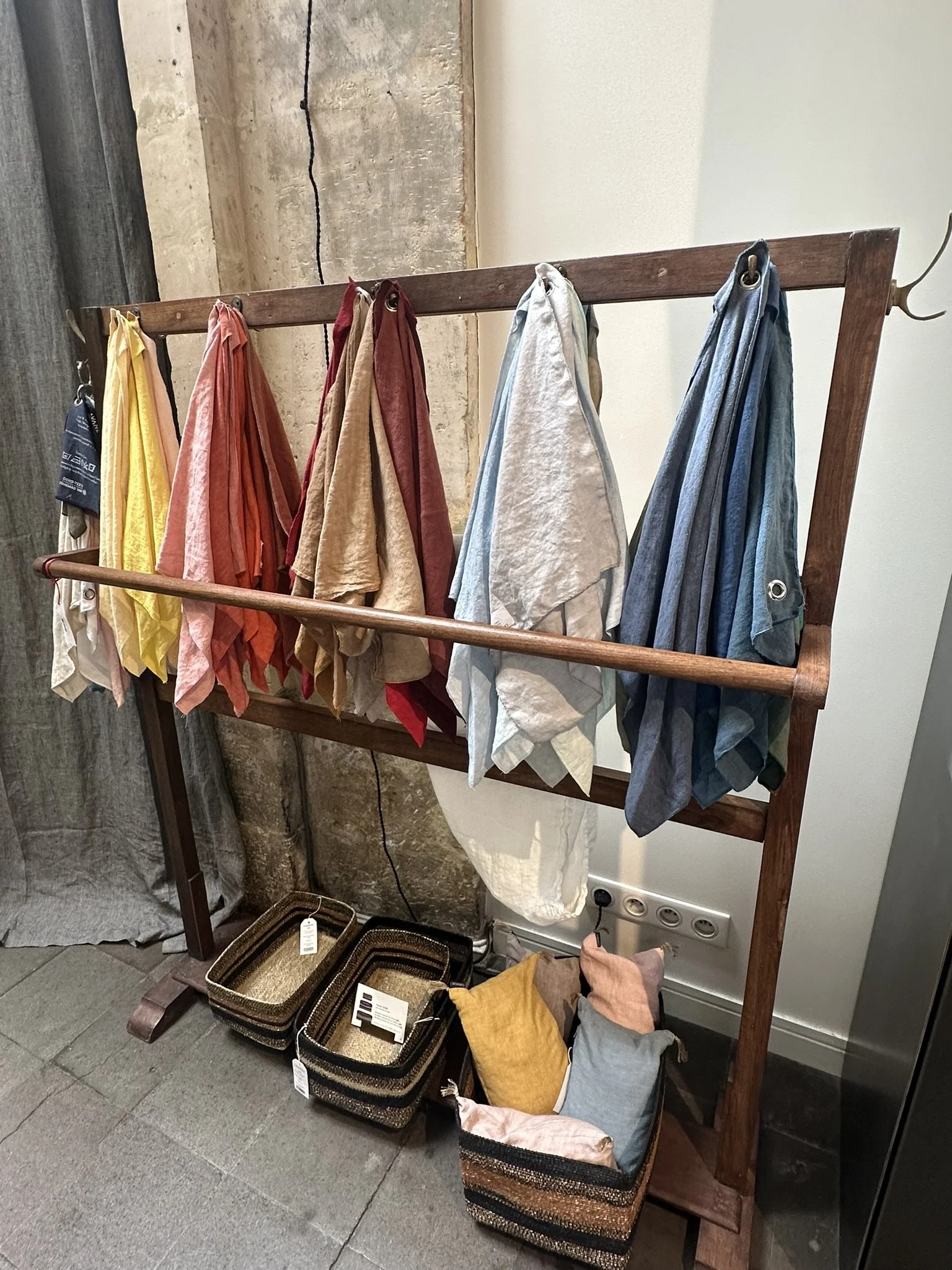
In Paris, I found myself drawn repeatedly not to the grand gestures but to the small ones. The ironwork on a balcony. A stone cherub, high above eye level. The way a café had arranged its chairs so that every seat faced outward. The colour of a painted shutter, chalky and faded in a way that felt entirely intentional. These details are the result of accumulated decisions, made over time, by artisans and craftspeople who cared.
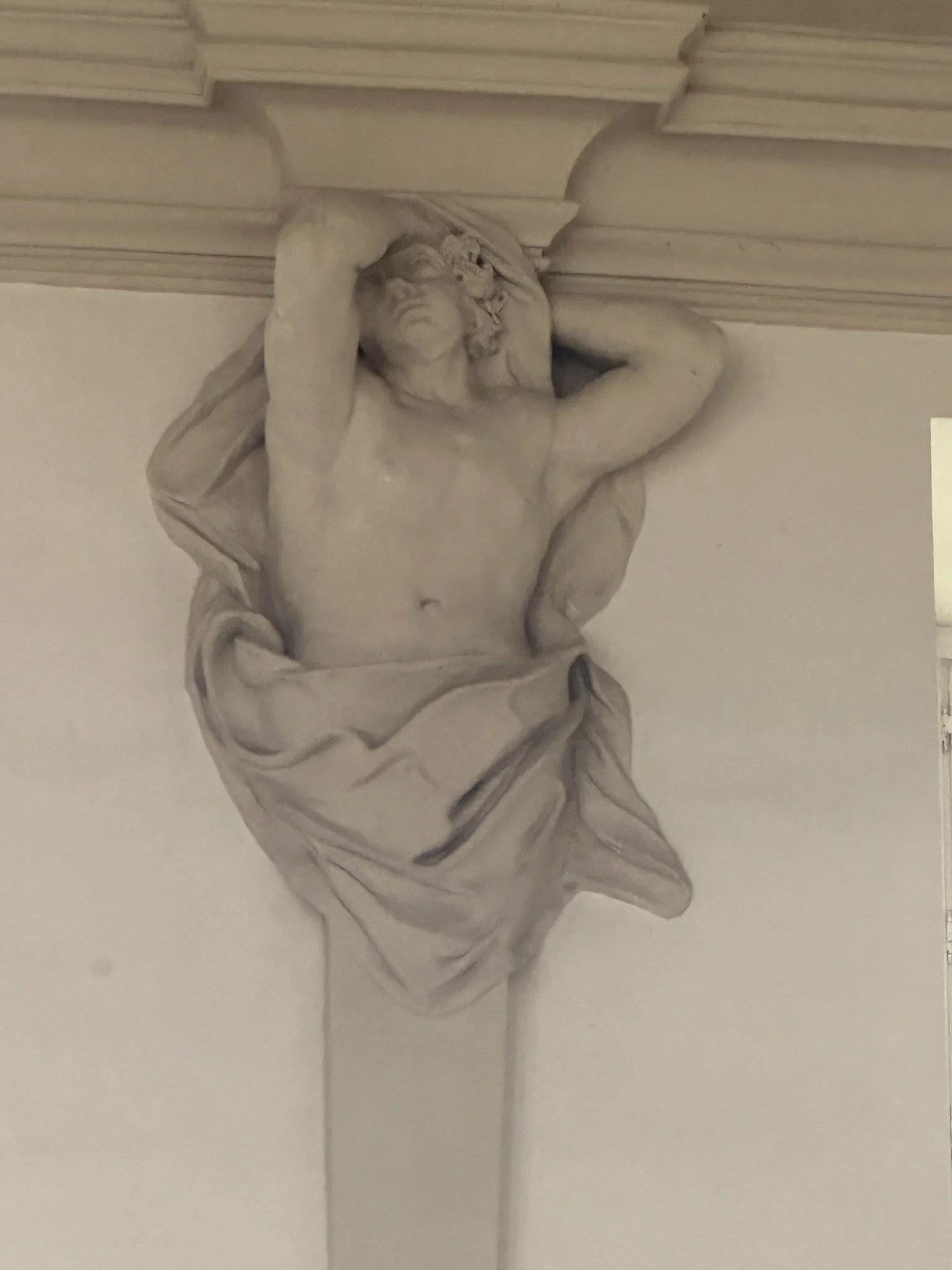
3DaysofDesign: When an Industry Comes Alive
Copenhagen's 3DaysofDesign is a remarkable event. Showrooms, studios and private spaces open their doors across the city, and the design industry, along with a genuinely curious general public, pours in. What struck me most was not the products on display, impressive as many of them were, but the conversations happening around them.
Designers, makers, suppliers and clients all in the same room, talking about why things are made the way they are, what problems they solve, what values they reflect. That kind of exchange is rare and valuable. It reminded me that good design is never just aesthetic, but the result of thinking carefully about how people live.
I came away with a renewed sense of why design matters. Not because of any single product or trend, but because of the collective commitment to craft, intention and quality that underpinned everything I saw.
What Travel Teaches You About Your Own Home
Since embracing the world of design, every time I travel I return home with a recalibrated sense of what I value. Not a desire to replicate what I have seen, but a deeper clarity about the principles behind it.
Restraint. Materiality. The importance of getting the layout right before worrying about the finishes. The way natural light changes everything. The power of a well-made item that has been thoughtfully located and given space to breathe.
I think about my clients, and particularly those who are downsizing or starting fresh in a new apartment. The temptation in those moments is to fill the space quickly, to make it feel settled as fast as possible. But what travel teaches you is that the best interiors are never rushed. They are built slowly, with intention, layer by careful layer - and more than that, they safeguard and celebrate treasured pieces collected through one’s life.
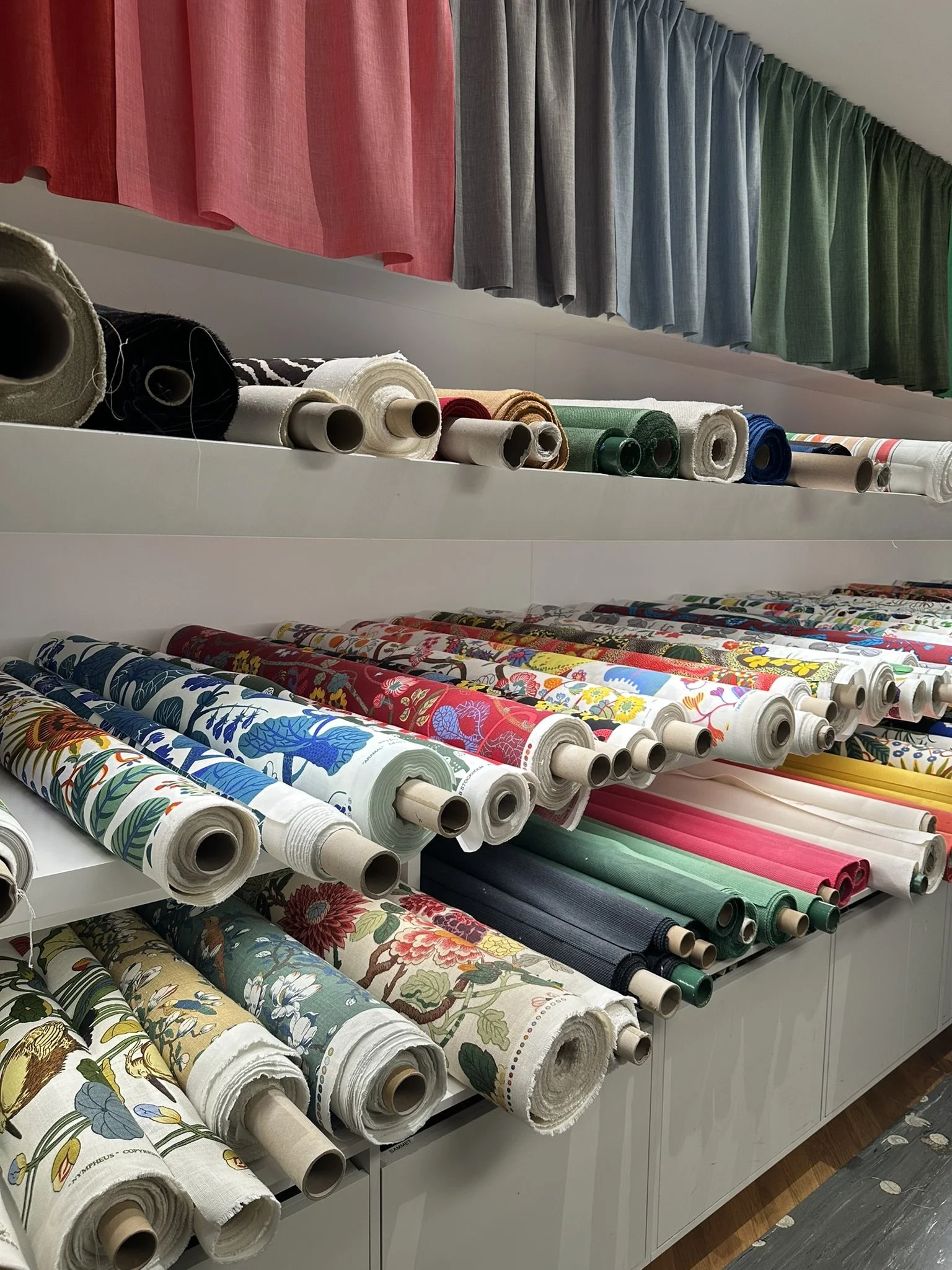
Rolls of beautiful fabric in a Stockholm showroom
You Do Not Need to Travel Far
Not everyone has the opportunity to travel around the world. Nor is that a prerequisite for finding inspiration.
Australia has extraordinary design culture, in Sydney, Melbourne and beyond. We have remarkable architects, furniture makers, ceramicists, textile designers and artists producing work of genuine international quality. The NGV in Melbourne, the Art Gallery of NSW, the Design Institute of Australia events, the showrooms and studios in Surry Hills and Collingwood, these are all places where you can recalibrate your eye without leaving the country.
Even a single afternoon in a beautifully designed space, whether that is a hotel lobby, a restaurant, a gallery or a thoughtfully kept home you have been invited into, can shift your perspective. The key is to go in with intention. Put down your phone, stay a little longer than you planned and notice what has been done and (perhaps more importantly) what has been left undone.
Bringing It Back
The practical question, of course, is what you do with the inspiration once you have it. How do you translate something felt in a Stockholm apartment or a Melbourne laneway jazz bar into decisions about your own home?
My honest answer is that you do not rush it. You sit with what you experienced and let it settle. Over time, certain things will stay with you and others will fade. The ones that remain, the specific qualities that keep coming back to you, are worth paying attention to.
It might be a material you want to introduce. A sense of restraint you want to apply to a room that feels too busy. A proportional relationship between furniture and floor space that you realise your living room is currently missing. These insights, arrived at slowly and felt rather than simply observed, tend to lead to much better decisions than a mood board ever will.
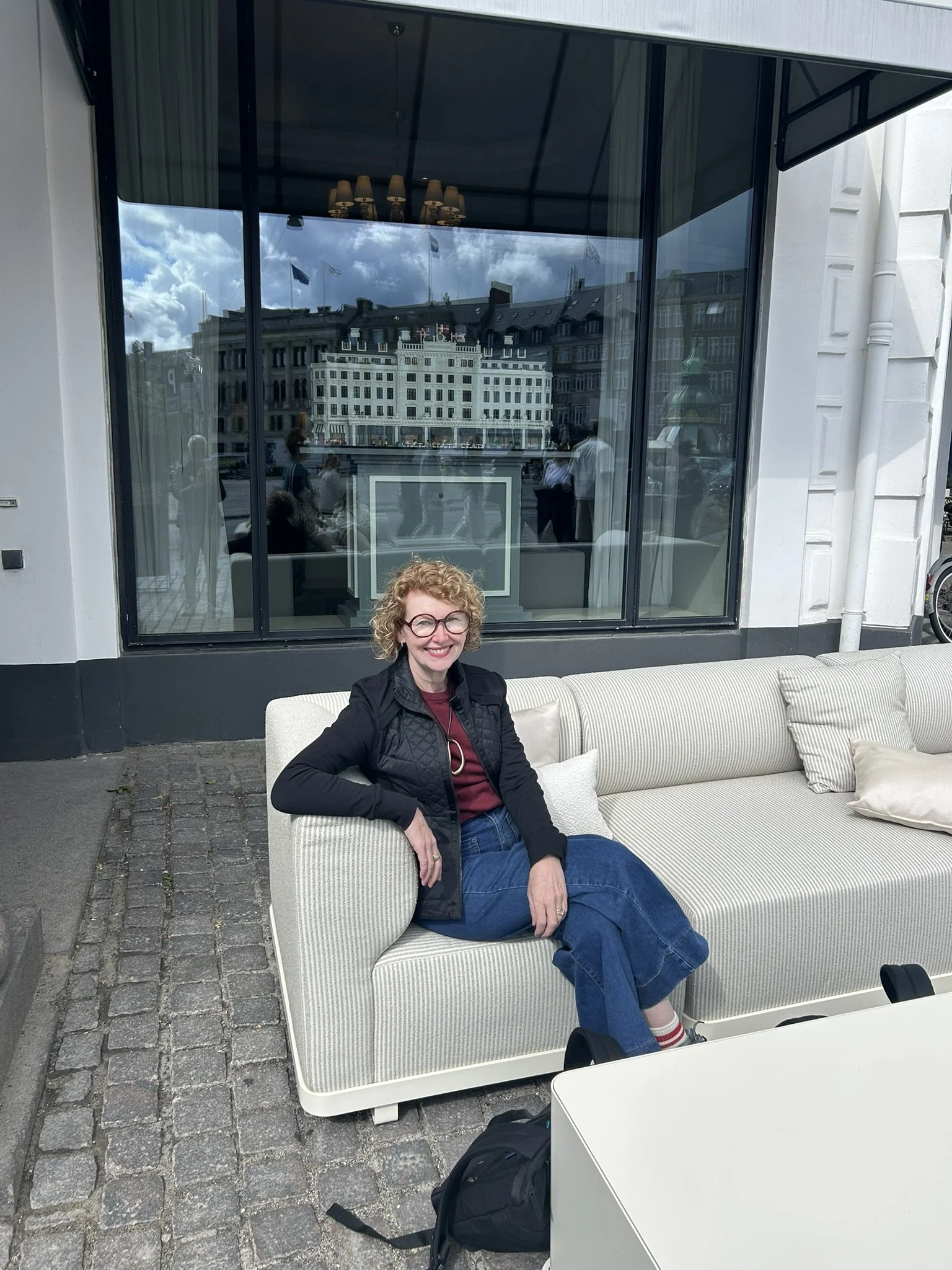
Inspo break at 3DaysofDesign, Copenhagen
A Final Thought
Design travel, like all good travel, is ultimately about becoming more curious. Not about collecting images or ticking off showrooms, but about deepening your understanding of how the built environment shapes the way we feel.
I came home from this trip with full notebooks and a long list of things I want to explore further. But more than that, I came home looking at things differently. My own home, my clients' homes, the spaces I move through every day. That shift in perception is, I think, the most valuable thing travel gives you. And it does not require a flight to Copenhagen to access. It only requires the willingness to pay attention, wherever you are.
If any of this has sparked a thought about your own home, I would love to talk. Whether you are planning a renovation, considering a downsizing move or simply feeling ready for something to change, a conversation is always a good place to start. You can book an initial consultation through my website at kkinteriors.com.au.
Kate Kerin Interiors works with discerning Sydney clients who value quality, elegance and a seamless design experience, whether you’re downsizing, furnishing a new home or planning a major change. If you’d like to discuss your project, get in touch to book an initial consultation.
If you enjoyed this blog, subscribe to my newsletter for curated interior design insights, inspiration and practical tips delivered straight to your inbox.